
8 Chapter 8: Sexual Response and the Biochemistry of Love
Learning Objectives
- Consider intersectionality as it applies to individual sexual responses
- Explore the role of brain and hormonal mechanisms in sexual response, as well as sensation and perception
- Distinguish between hormones and pheromones
- Describe the seminal work of Masters and Johnson’s sexual response cycle (SRC)
- Compare other theories of sexual response, including Kaplan, Basson, Reed, and the Dual Control approach
- Analyze the concept of love with emerging research on evolution and physiology
- Explore the importance of oxytocin in social interactions
Introduction
If you remember (or go back and revisit) the “Circles of Sexuality” model from Chapter 1, you will see that sensuality plays a key role in our sexuality. Sensuality is also interconnected with intimacy, sexual identity, sexual health and reproduction, and sexualization.
In this chapter, we take a closer look at the sensual aspect of sexuality by analyzing physiological responses while also holding the bigger picture: many interlocking factors influence the way individuals make meaning of their physical, bodily experiences.
We will explore changes to brain chemistry, the hormones that rush through the bloodstream, the sensory neurons behind that electric, tingling feeling of intimate touch, the role of erogenous zones in enhancing pleasure, and the pheromones we emit that others pick up without conscious awareness. We will also examine how the psychological interpretation of physical changes during arousal and orgasm is shaped by society, culture, and personal perspective. Finally, the biochemistry of love will be discussed — including the healing and epigenetic effects of oxytocin.
It is worth noting from the outset that much of the foundational research on sexual response was conducted with predominantly White, cisgender, heterosexual participants. As you read, keep an intersectional lens active: the models that follow were built on a narrower sample than the full range of human experience, and scholars continue to expand and challenge these frameworks (Hargons & Thorpe, 2022).
Sexual Response
Sexual response is both biological and shaped by socialization. Each person has a natural degree to which they become aroused in response to sexual stimuli — similar to how some people react more intensely to loud sounds or have a lower or higher pain tolerance. Life experiences across the lifespan continue to influence and reshape these responses as well. Individual differences in how sexual stimuli are experienced will shape the desire to engage in certain sexual behaviors. Social factors, such as shame and stigma around certain sexual behaviors, can also influence this process by reshaping the way touch and sexual contact are perceived.
In this section, we will look at different aspects of the nervous system implicated in this process, explore the groundbreaking research of Masters and Johnson on the sexual response cycle, and discuss additional theories developed over time that explore the ways the social environment interacts with sensory experiences.
Sex on the Brain

Figure 1: Some of the many regions of the brain and brainstem activated during pleasure experiences. [Image: Frank Gaillard, https://goo.gl/yCKuQ2, CC-BY-SA 3.0. Identifying marks added]
Figure 1 shows a sagittal cross-section of the brain and brainstem with regions activated during pleasure highlighted, including the insula, temporal cortex, and limbic system. At first glance — or touch — the clitoris and penis seem to be the parts of our anatomy that bring the most pleasure. However, these organs pale in comparison to our central nervous system’s capacity for pleasure. Extensive regions of the brain and brainstem are activated when a person experiences pleasure, including: the insula, temporal cortex, limbic system, nucleus accumbens, basal ganglia, superior parietal cortex, dorsolateral prefrontal cortex, and cerebellum (Ortigue et al., 2007). Neuroimaging techniques show that these regions are active even when patients have spontaneous orgasms involving no direct skin stimulation (Wise et al., 2017), and when experimental participants self-stimulate erogenous zones (e.g., Komisaruk et al., 2011). Erogenous zones are sensitive areas of skin connected, via the nervous system, to the somatosensory cortex in the brain.
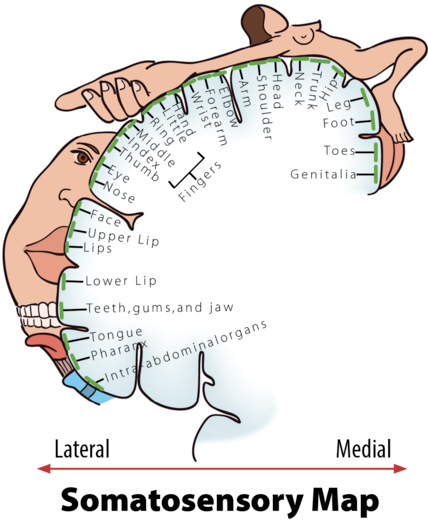
Figure 2: Erogenous Zones Mapped on the Somatosensory Cortex.
The somatosensory cortex (SC) is the part of the brain primarily responsible for processing sensory information from the skin. The more sensitive an area of your skin is — such as your lips — the larger the corresponding area of the SC will be. The less sensitive an area is — such as your trunk — the smaller the corresponding area will be (Penfield & Boldrey, 1937). When a sensitive area of the body is touched, it is typically interpreted by the brain in one of three ways: “That tickles!” “That hurts!” or, “You need to do that again.” Thus, the more sensitive areas of our bodies have greater potential to evoke pleasure.
A study by Nummenmaa and colleagues (2016) used a creative method to test this idea. Participants were shown images of same- and opposite-sex bodies and asked to color the regions that, when touched, they or others would experience as sexually arousing during masturbation or sex with a partner. Nummenmaa found the expected “hotspot” erogenous zones around external sex organs, breasts, and anus, but also reported that arousal could be triggered by tactile stimulation of practically all bodily regions. Moreover, having sex with a partner — including touch beyond the hotspots — reflects the role of touching in the maintenance of pair bonds.
Sensation and Perception
Sensation is the way the nervous system processes sensory information from the environment, including light, sound, smell, and touch. Let’s look at touch in the context of sensual contact through the process of transduction: receptors in the skin relay the message of being touched to transmitters in the spinal cord, which convert this to neural signals interpreted by the brain, which then allows effectors — neurons within muscles — to signal a response to the stimuli. Perception is how an individual associates meaning with what they are sensing. For instance, masturbation causes genital skin receptor sites and the nervous system to respond and produce arousal; however, any self-talk about the morality of masturbation will impact the way the person perceives that arousal. As you read this chapter, consider how stigma and shame around pleasure and sensuality may have influenced the meaning you attach to your own physiological experiences.
Reflective Pause: What areas of your body feel particularly pleasurable to the touch? Some common areas, apart from the genitals, include the lower back, inner thighs, lips, nipples, feet, and hands. Each individual is different, so this is also a meaningful question to explore with sexual partners. Building awareness of your own erogenous zones supports communication, pleasure, and self-knowledge.
Sensate focus is sometimes used in sex therapy to increase awareness and control over physiological responses, and to build insight into a partner’s pleasure — and one’s own — without initially touching the genitals. Many people experience anxiety around sensual connection because vulnerability is involved. Sensate focus draws on cognitive-behavioral therapy and behavioral modification principles to focus attention on the senses and reframe the meaning associated with sexual interactions. These techniques can be utilized by anyone interested in enhancing self-awareness and pleasure-focused communication with partners.
Hormones and Pheromones
Androgens, estrogen, and progestin bind to hormone receptor sites that allow the synthesis of neurochemicals (Hyde & DeLamater, 2017). During excitement and arousal, dopamine, oxytocin, and norepinephrine are released into the bloodstream, and during orgasm, opioids and endocannabinoids are released (Hyde & DeLamater, 2017). Hormones have activating effects in which they can activate and deactivate sexual arousal.
Testosterone is particularly implicated in increasing sexual desire. Testosterone levels that are too low are generally associated with reduced libido; the relationship between high testosterone and desire is less clearly established and varies across individuals and contexts. Strong emotional states — whether positive or negative — can interact with sexual arousal through their effects on the endocrine and nervous systems. Whether an emotion enhances or inhibits arousal depends heavily on individual context, personal history, and the meaning a person attaches to the experience. For instance, sex and aggression both involve epinephrine and norepinephrine, invoking a sense of excitement followed by resolution. This connection between emotions and physiological reactions is a growing focus of research (Hyde & DeLamater, 2017).
While hormones are typically released within the bloodstream and influence sexual arousal, pheromones are biochemicals secreted outside the body, which communicate to others on a chemical level (Hyde & DeLamater, 2017). Researchers are still trying to understand the role of pheromones in sexual responses, but what is known is that when people are presented with the scent of others, they are typically more attracted to the scent of someone whose sexual orientation matches their own, even without any other information provided (Savic, 2014). Additionally, the scent of people who are biologically related is rated as less attractive and possibly connects to evolution protecting against inbreeding (Savic, 2014). Animal studies on male monkeys indicate that they experience increases in testosterone when exposed to an ovulating female’s urine (Hyde & DeLamater, 2017).
Some early research suggested that the menstrual cycles of women in close proximity may synchronize, potentially through pheromonal influence — though this finding, associated with the McClintock effect (1971), has been significantly challenged and contested by subsequent research. Taken together, these studies illustrate the potential for biological interconnection between individuals, though much remains to be understood.
Theories and Models Regarding Sexual Response
Several models of sexual response have been developed over time, each building on and refining the one before it. As you read through these, notice how they move from a primarily physiological focus toward an increasingly integrated understanding of biology, psychology, emotion, and culture. No single model tells the complete story — together, they offer a richer picture.
Masters and Johnson’s Sexual Response Cycle
Although people have always had sex, the scientific study of it remained taboo until relatively recently. The study of sexual anatomy, physiology, and behavior was not formally undertaken until the late 19th century, and began to be taken seriously as a discipline only in the 1950s. William Masters (1915–2001) and Virginia Johnson (1925–2013) formed a research team in 1957 and expanded the study of sexuality from simply asking people about their sex lives to measuring physiology and anatomy during actual sexual activity. Both were committed to understanding sex from a rigorous scientific perspective — and their collaboration produced some of the most influential findings in the field of human sexuality.
One important historical note: Masters and Johnson’s Sexual Response Cycle (SRC) was derived primarily from observations of male sexual arousal and subsequently applied to all people (Basson, 2000). This genital-focused model became the basis for clinical definitions of sexual dysfunction for decades — which is worth holding in mind as you consider the models that followed.

Masters and Johnson used primarily plethysmography (the measuring of changes in blood or airflow to organs) to determine sexual responses across a wide range of body parts — including breasts, skin, various muscle structures, bladder, rectum, external sex organs, and lungs — as well as measurements of pulse and blood pressure. They measured more than 10,000 orgasms in 700 individuals (ages 18–89), during sex with partners or alone. Their findings were initially published in two bestselling books: Human Sexual Response (1966) and Human Sexual Inadequacy (1970). Their initial techniques and data remain the foundation of contemporary understanding of sexual anatomy and physiology.
The Four Phases of the Sexual Response Cycle
The brain and other sex organs respond to sexual stimuli through what Masters and Johnson (1966) called the Sexual Response Cycle (SRC), composed of four phases:
1st Phase – Excitement: Activation of the sympathetic branch of the autonomic nervous system defines the excitement phase; heart rate and breathing accelerate, along with increased blood flow to the penis, vaginal walls, clitoris, and nipples (vasocongestion). Involuntary muscular movements (myotonia), such as facial grimaces, also occur during this phase.
2nd Phase – Plateau: Blood flow, heart rate, and breathing intensify during the plateau phase — often what is referred to as “foreplay.” Females experience an orgasmic platform (the outer third of the vaginal walls tightening), and males experience a release of pre-seminal fluid that may contain sperm cells (Killick et al., 2011). This is one reason penile withdrawal is a relatively ineffective method of birth control (Aisch & Marsh, 2014).
3rd Phase – Orgasm: The shortest, and for many — the most pleasurable phase — is orgasm. After reaching climax, neuromuscular tension is released and the hormone oxytocin floods the bloodstream, facilitating emotional bonding. Although rhythmic muscular contractions are associated with ejaculation, orgasm and ejaculation are two separate physiological processes — one can occur without the other.
4th Phase – Resolution: The body returns to a pre-aroused state. Most individuals with penises enter a refractory period — a window of being unresponsive to further sexual stimuli — whose length depends on age, frequency of recent sexual activity, intimacy level, and novelty. Because most individuals with vaginas do not experience a refractory period, they have greater physiological potential for multiple orgasms.
Importantly, the SRC occurs regardless of the type of sexual behavior — whether masturbation, romantic kissing, or oral, vaginal, or anal sex (Masters & Johnson, 1966). A partner or environmental object is helpful but not necessary for the SRC to occur.
Kaplan’s Triphasic Model

Sex therapist Helen Singer Kaplan sought a model that would help explain the sexual response cycle to clients in clinical settings. She adjusted Masters and Johnson’s model by adding a desire phase and consolidating excitement and plateau into a single arousal phase focused on vasocongestion. By centering psychological and physiological processes together rather than as separate events, Kaplan’s model became:
- Desire: Desire activates excitement, and excitement can intensify desire, motivating a person toward sexual activity. This phase is primarily psychological, while the next two are physiological.
- Arousal: Vasocongestion causes blood to flow to the genitals and increases blood pressure, controlled by the parasympathetic division of the autonomic nervous system (Hyde & DeLamater, 2017).
- Orgasm: Reflex muscular contractions involving anatomical structures and nervous system pathways. Ejaculation and orgasm are controlled by the sympathetic division of the autonomic nervous system as the body returns to homeostasis.
Kaplan’s model was a meaningful step forward, but it still had significant limitations. It positioned desire as the psychological starting point — but as Basson (2000) observed, many women, particularly in longer-term relationships, do not begin from a place of spontaneous sexual hunger. Instead, they are more likely to begin from a place of sexual neutrality — receptive to sexual stimuli under the right relational conditions, even without an initial sense of desire. Arousal, in these cases, often precedes desire rather than following from it. Kaplan’s model also did not account for sexual satisfaction as an outcome, though her clinical work centered it (Leiblum, 2000).
Basson’s Nonlinear Approach to Sexual Response
In response to the limitations of both Masters and Johnson’s linear SRC and Kaplan’s incomplete model, Rosemary Basson (2000) articulated a more complex, circular model of sexual response. Basson’s model begins from the premise that many women — particularly those in longer-term relationships — start from a state of sexual neutrality: not a state of spontaneous desire, but one of openness and receptivity. From this neutral starting point, a woman may choose to seek out and respond to sexual stimuli, often motivated by a wish to enhance emotional intimacy rather than to satisfy an internal sexual “hunger” (Basson, 2000).
This has important clinical implications. Basson (2000) directly critiques the DSM’s reliance on the traditional linear SRC for defining female sexual dysfunction, noting that it leads to the pathologizing of experiences that are, for many women, entirely normative. When arousal depends on emotional context, relational safety, and quality of stimulation — and not on a spontaneous internal drive — the linear model misrepresents the majority of women’s sexual experience, particularly over time in a relationship.
Basson’s circular model also accounts for feedback loops: when a sexual encounter is emotionally and physically rewarding, it feeds forward, increasing intimacy, enhancing motivation for future encounters, and potentially cultivating desire over time. Conversely, when experiences are physically uncomfortable, emotionally disconnected, or lacking in tenderness and communication, the cycle is interrupted. This explains why relational quality, communication, and emotional safety are not simply nice to have — they are physiologically relevant to sexual response.

While Basson’s model was first conceptualized with women’s sexuality in mind, its core principles — that desire often emerges from context rather than precedes it, and that the sexual response is circular rather than linear — have broad applicability across genders and relationship types (Werner et al., 2023). Basson herself noted that the linear cycle may still be accurate for some women on some occasions, particularly early in a relationship or after a period of emotional distance.
Reed’s Erotic Stimulus Pathway (ESP) Model
While the models discussed so far focus primarily on physiological and psychological processes within the individual, sex therapist David Reed proposed a model that foregrounds the relational and psychosocial context of sexual response. Reed’s Erotic Stimulus Pathway (ESP) model has not been the subject of extensive empirical research, but it is widely used in sex therapy training and couples counseling practice as a clinically intuitive framework for understanding how sexual experiences unfold across stages of meaning-making (Hyde & DeLamater, 2017). It is worth noting here as a model you are likely to encounter in applied and clinical settings.
The ESP model proposes four sequential stages that map the psychosocial dimensions of sexual response onto the physiological phases described by Masters and Johnson:
- Seduction — Everything that attracts attention and creates interest: appearance, flirtation, touch, words, atmosphere, and intentional effort to draw a partner in. This stage corresponds broadly to desire in earlier models, but Reed emphasizes that it is deeply shaped by what individuals have learned is attractive, appealing, or arousing in their particular relational and cultural context.
- Sensation — The sensory experience itself: what is seen, heard, touched, smelled, and tasted. This stage corresponds to excitement and arousal. Crucially, not all sensations are experienced the same way by all people — prior experience, learned associations, and cultural meaning-making shape which sensations are experienced as pleasurable, neutral, or aversive.
- Surrender — The willingness to relinquish cognitive control and allow oneself to be fully present in the experience, corresponding broadly to orgasm. This is the stage where anxiety, shame, distraction, and internalized inhibition most commonly interrupt the sexual response. A person may be physiologically aroused and yet be unable to “let go” — a phenomenon Reed’s model names directly and that clinicians frequently encounter in practice.
- Reflection — The meaning a person makes of the experience afterward, corresponding to resolution. Positive reflection — feeling connected, satisfied, and affirmed — feeds forward into increased desire and motivation for future sexual encounters. Negative reflection — shame, regret, or disappointment — can diminish future desire and reinforce inhibition. This feedback loop connects Reed’s model directly to Basson’s circular model and to the Reflection stage as a site for clinical intervention.
One of Reed’s most clinically valuable contributions is the explicit naming of the Surrender stage. Where earlier models described orgasm as a physiological event, Reed identifies the psychological dimension — the capacity to release cognitive control — as its own stage that can succeed or fail independently of physical arousal. This is a distinction that resonates strongly with clients in sex therapy, where anxiety and the inability to “get out of one’s own head” is among the most commonly reported barriers to sexual satisfaction (Hyde & DeLamater, 2017).
The ESP model also bridges well to the intersectional and sociocultural content of this chapter. Consider how cultural messages, relational power dynamics, and internalized shame can operate at every stage: Seduction may be constrained by gender scripts about who is “allowed” to initiate; Sensation may be filtered through learned associations between touch and anxiety; Surrender may be blocked by shame or hypervigilance; and Reflection may be distorted by external judgments about whether the experience was “appropriate.” Seen this way, Reed’s model offers a practical map for identifying where, specifically, sociocultural factors are interrupting an individual’s or couple’s sexual experience.
The Dual Control Model
The Dual Control Model was developed by former Kinsey Institute director Dr. John Bancroft and Dr. Erick Janssen in the late 1990s. It “proposes that two basic processes underlie human sexual response: excitation (responding with arousal to sexual stimuli) and inhibition (inhibiting sexual arousal)” (Hyde & DeLamater, 2017, p. 191). The inhibition system is thought to have evolved to protect us from dangerous situations — imagine being in the middle of a sexual encounter when a predator approaches. Survival requires the ability to shut down arousal and redirect attention to safety. Or, for a more relatable example: you are masturbating in a private room when someone unexpectedly knocks and announces they are coming in. The inhibition response kicks in immediately.
Every person has their own baseline combination of excitation and inhibition — similar to how each person has different tolerances for loud sounds or pain. If a person has high excitation and low inhibition, they may become aroused more easily, take longer to return to baseline, and require less stimulation to reach orgasm. If someone has low excitation and high inhibition, sexual stimuli may be less immediately arousing and a broader range of sensual stimulation may be needed. Importantly, in the Dual Control Model, excitation and inhibition are conceptualized as relatively independent systems — a person can be high on both, low on both, or high on one and low on the other. This independence is one of the model’s most clinically useful features, as it means that reducing inhibition is not the same as increasing excitation, and vice versa.
Many researchers describe this using the analogy of a gas pedal (excitation, or SES — Sexual Excitation System) and a brake pedal (inhibition, or SIS — Sexual Inhibition System). In any sexual situation, people engage one or both pedals to varying degrees, depending on their unique physiology, personal history, and current context.
We are genetically predisposed to a certain combination of excitation and inhibition, but the Dual Control Model also recognizes that cognitive and experiential factors shape this combination. Early learning, cultural messages, and lived experience can dramatically alter someone’s excitation and inhibition profile. Internalizing messages of shame around certain sexual behaviors, for example, may function as a chronic inhibitory force that shapes physiological response over time.
Reflective Pause: In thinking about intersecting identities, how could generation, physical health, mental health, religion, education, family background, financial resources, body image, and more influence excitation and inhibition? What messages about sexual behavior have you internalized, and how might those messages be operating in your nervous system right now? Talking openly with partners about their excitation and inhibition tendencies — and your own — can be one of the most meaningful conversations you have about sex.
Emerging Perspectives: Pleasure as a Distinct Component of Sexual Response
One of the most significant emerging critiques of the sexual response models discussed above — including the Dual Control Model — is that they have historically treated arousal as the primary, and often only, output of the sexual response system. Werner and colleagues (2023) argue that this conflation has caused pleasure to be systematically hidden from view in both research and clinical frameworks.
Drawing on Incentive Motivation Theory, Werner et al. (2023) propose distinguishing between three components of sexual response:
- Arousal — the physiological response to a sexual stimulus (e.g., genital engorgement, increased heart rate, lubrication). Arousal can occur without a person consciously registering desire or experiencing pleasure.
- Wanting — the motivational, anticipatory dimension of sexual response: the drive or readiness toward a rewarding sexual experience. Wanting reflects the salience of a sexual reward and shapes action readiness.
- Liking — the hedonic, in-the-moment experience of pleasure during sexual activity. Liking reflects the positive valence of anticipating, attaining, and consuming a sexual reward, and is considered synonymous with conscious and non-conscious pleasure (Werner et al., 2023).
This distinction matters because arousal, wanting, and liking can occur independently of one another. A person may become physiologically aroused without experiencing pleasure or desire. A person may want sex without experiencing strong physical arousal. And the experience of liking — genuine hedonic pleasure — may depend as much on emotional context, safety, and relational connection as on any physical stimulus. Werner et al. (2023) note that the sexual response is best understood as circular across time (consistent with Basson’s model): past pleasurable experiences shape future sexual response through learning and memory, while past negative experiences can function as inhibitory forces.
This framework also has practical implications. When we ask only about arousal — and not about pleasure, meaning, or relational context — we miss a large part of what makes sexual experiences satisfying or dissatisfying for people.
Sociocultural Influences on Orgasm and Pleasure
The models discussed so far describe the mechanisms of sexual response — but they do not fully explain why the same physiological processes produce such different outcomes for different people. Here is where sociocultural factors become essential. Research consistently shows that internalized messages about sexuality — including shame, gender norms, and relationship dynamics — significantly shape how individuals experience arousal, orgasm, and sexual satisfaction.
Sexual Assertiveness, Shame, and Orgasm
Lentz and Zaikman (2021) surveyed over 1,000 women and found that sexual assertiveness — the ability to communicate sexual desires, initiate or refuse sexual activity, and express preferences — was the strongest and most consistent positive predictor of orgasm frequency across almost all contexts, as well as overall sexual satisfaction. In other words, being able to know and communicate what you want matters at least as much as the physical mechanics of sex.
By contrast, sexual shame — negative self-evaluations related to one’s sexuality — was negatively associated with solo orgasm frequency. Endorsement of traditional gender roles (particularly those that cast women as passive recipients of male-directed sex) was associated with lower orgasm frequency in certain contexts, particularly with new partners (Lentz & Zaikman, 2021). Importantly, orgasm with a familiar partner was the only type of orgasm that significantly predicted overall sexual satisfaction, suggesting that relational context matters as much as frequency of orgasm in determining how satisfying sexual experiences feel.
These findings connect directly to the Dual Control Model: internalized shame, gender role scripts, and lack of communicative agency function as inhibitory forces in the sexual response system. Building sexual assertiveness — the capacity to know your desires and voice them — may be one of the most meaningful things a person can cultivate for their sexual health and satisfaction.
Relational Context, Egalitarianism, and Orgasm Frequency
Thorpe and colleagues (2021) examined how relationship and partner-specific factors influenced the sexual experiences of 216 Black heterosexual women in early adulthood. Their findings challenge deficit narratives that have historically dominated research on Black women’s sexuality. The majority of women in the sample reported being in loving, committed, egalitarian relationships — and most (62%) reported having an orgasm more than half the time during sexual intercourse.
The most striking finding was that egalitarianism — the degree to which power, decision-making, and care were balanced in the relationship — was the only factor significantly associated with orgasm frequency across all models, as well as with all three types of sex initiation measured. When women felt their partners truly cared about their needs and valued their equality within the relationship, they were more likely to orgasm and more likely to initiate sex (Thorpe et al., 2021). Physical violence and verbal threats, by contrast, were associated with reduced sexual agency.
This research is a powerful illustration of the Dual Control Model in action: relational safety, emotional connection, and equity function as excitatory conditions that support pleasure. Their absence — whether through inequity, coercion, or violence — operates as inhibition. As Thorpe et al. (2021) frame it using an intimate justice lens, achieving sexual pleasure requires that no one’s intimate capacities be unduly constrained, and that all people have access to the social conditions that allow them to develop and exercise those capacities.
A Note on Intersectionality: The Thorpe et al. (2021) study also reframes Black women’s sexuality in a positive, strength-based way — underscoring that much of what prior research has characterized as a deficit is, in fact, a function of structural inequity rather than individual pathology. This is a reminder that understanding sexual response requires attending not only to bodies and hormones, but to the social, racial, and relational contexts in which those bodies exist.
The Biochemistry of Love
The biological landscape described so far — arousal, desire, pleasure — does not exist in isolation from our emotional bonds. Love is deeply biological. It pervades every aspect of our lives and has inspired countless works of art. It also has profound effects on our mental and physical state. A “broken heart” or a failed relationship can have serious physiological consequences; bereavement disrupts human physiology and may even precipitate death. Without loving relationships, humans fail to flourish — even when all other basic needs are met. Love, then, is clearly not “just” an emotion: it is a biological process that is both dynamic and bidirectional.
Social interactions between individuals trigger cognitive and physiological processes that influence emotional and mental states, which in turn shape future social interactions. The maintenance of loving relationships requires constant feedback through sensory and cognitive systems. The body seeks love and responds continuously to interactions with loved ones — or to their absence.
Introduction to the Study of Love
Although evidence exists for the healing power of love, only recently has science turned its attention to providing a physiological explanation for love. The study of love in this context offers insight into many important topics, including the biological basis of interpersonal relationships and why and how disruptions in social bonds have such pervasive consequences for behavior and physiology. Some of the answers will be found in our growing knowledge of the neurobiological and endocrinological mechanisms of social behavior and interpersonal engagement.
The Evolution of Social Behavior
Nothing in biology makes sense except in the light of evolution. Life on earth is fundamentally social: the ability to interact dynamically with other organisms to support mutual homeostasis, growth, and reproduction evolved very early. Social interactions are present in primitive invertebrates and even among prokaryotes — bacteria recognize members of their own species, reproduce more successfully in their presence, and can form communities with characteristics that go far beyond the capabilities of an individual cell (Ingham & Ben-Jacob, 2008).
The evolutionary pathways leading from reptiles to mammals allowed the emergence of anatomical systems and biochemical mechanisms that enable social engagement and selective, reciprocal sociality. Reptiles show minimal parental investment in offspring and form nonselective bonds. Most mammals, by contrast, show intense parental investment and form lasting bonds — with offspring and often with adult partners. Many mammalian species, including humans, wolves, and prairie voles, develop long-lasting, reciprocal, selective relationships that share features of what humans experience as love. These reciprocal interactions trigger dynamic feedback mechanisms that foster growth and health.
What is Love? An Evolutionary and Physiological Perspective
Human love is more complex than simple feedback mechanisms. The biology of love originates in the primitive parts of the brain — the emotional core of the human nervous system — which evolved long before the cerebral cortex. The brain “in love” is flooded with vague sensations, often transmitted by the vagus nerve, creating much of what we experience as emotion. The modern cortex struggles to interpret these signals and weaves a narrative around incoming visceral experiences, sometimes reacting to that narrative rather than to reality itself.
It is also helpful to recognize that mammalian social behavior is supported by biological components that were repurposed over the course of evolution, eventually permitting lasting relationships between adults.
Stress and Love
Emotional bonds can form during periods of extreme duress, especially when the survival of one individual depends on the presence and support of another. There is also evidence that oxytocin is released in response to acutely stressful experiences, perhaps serving as hormonal “insurance” against overwhelming stress. Oxytocin may help to ensure that parents and others will engage with and care for infants; develop stable, loving relationships; and seek out and receive support from others in times of need.
The Absence of Love in Early Life
During early life in particular, trauma or neglect can produce behaviors and emotional states that are socially harmful. Because the processes involved in creating social behaviors and emotions are delicately balanced, they may be triggered in inappropriate contexts — leading to aggression toward friends or family, or to the formation of bonds with partners who do not provide safety or support.
Love Is Epigenetic
Love is “epigenetic.” Positive experiences in early life can act upon and alter the expression of specific genes. These changes in gene expression may have lasting behavioral consequences through relatively simple biochemical changes — such as adding a methyl group to a particular genomic site (Zhang & Meaney, 2010). These changes may even be passed to the next generation. Although we are all born with a finite set of genes, early experiences cause some genes to be expressed (encouraging certain personality traits), while others remain dormant.
Infants of traumatized or highly stressed parents, for instance, might be chronically exposed to elevated vasopressin — either through their own increased production or through higher levels in maternal milk. Such exposure could sensitize the infant to defensive behaviors or create a lifelong tendency to overreact to threat. Epigenetic programming triggered by early life experiences is adaptive in that it allows the body to anticipate and prepare for future behavioral demands. However, these changes can also create atypical social or emotional behaviors, particularly in later life and under social or emotional challenge (Zhang & Meaney, 2010).
Both parental care and early exposure to oxytocin can permanently modify hormonal systems, altering the capacity to form relationships and influencing the expression of love across the life span.
Social Isolation and the Oxytocin System
Given the power of positive social experiences, it is not surprising that a lack of social relationships can alter behavior and affect oxytocin and vasopressin pathways. Research in prairie voles found that social isolation reduced expression of the gene for the oxytocin receptor and increased expression of vasopressin. Isolated voles showed increases in depression, anxiety, and physiological arousal — even when endogenous oxytocin was elevated, suggesting that the hormonal buffer provided by oxytocin was insufficient to offset the consequences of chronic loneliness. When isolated voles were given additional exogenous oxytocin, however, many of these functions were restored (Grippo et al., 2009).
In modern societies, humans can survive — at least after childhood — with little or no human contact. Communication technology, social media, and many other recent advances may inadvertently reduce social behaviors, placing both children and adults at risk for social isolation and disorders of the autonomic nervous system, including deficits in the capacity for social engagement and love (Porges, 2011).
Can Love — or Oxytocin — Be a Medicine?
Research is beginning to examine the physiological effects of oxytocin beyond social behavior, and evidence is accumulating that oxytocin can influence responses to stress and injury. As one example, the molecules associated with love have restorative properties — including the ability to literally help heal a broken heart. Oxytocin receptors are expressed in the heart, and precursors for oxytocin appear critical for fetal heart development (Danalache et al., 2010). Oxytocin can convert undifferentiated stem cells into cardiomyocytes, facilitate adult neurogenesis and tissue repair, and exert direct anti-inflammatory and antioxidant effects in models of atherosclerosis (Szeto et al., 2008).
Oxytocin also modulates the hypothalamic-pituitary-adrenal (HPA) axis, especially in response to disruptions in homeostasis (Carter, 1998), and coordinates demands on the immune system and energy balance. Long-term, secure relationships down-regulate the reactivity of the HPA axis, supporting resilience. The ability of oxytocin to regulate these systems likely explains why most people are able to cope with the formidable physical and emotional demands of childbirth and early caregiving.
Dozens of ongoing clinical trials are examining the therapeutic potential of oxytocin in conditions ranging from autism to heart disease. This research is still emerging and much remains to be understood — but it is already clear that both love and oxytocin are powerful. The same molecules that allow us to give and receive love also link our need for others to health and well-being.
Conclusion
In this chapter, we have explored historical and emerging approaches to sexual response — from the pioneering physiological measurements of Masters and Johnson, to Kaplan’s inclusion of desire, to Basson’s circular and context-sensitive model, to the Dual Control Model’s framework of excitation and inhibition, and finally to emerging work on pleasure as a distinct and central component of sexual response.
One of the most important takeaways is that sexual responsiveness is never purely physiological. Psychological factors — shame, assertiveness, relational dynamics, cultural messages — are always present, always influential, and often primary. At the same time, biology matters: understanding hormonal and neurological processes can be informative and empowering. Keeping an intersectional lens as you learn, evaluate, and grow in your own sexual self-understanding means holding all of these dimensions together — biology, psychology, culture, and relationship — without reducing your experience, or anyone else’s, to any single one of them.
Reflection Questions
- This chapter discusses several models of sexual response, including those of Masters and Johnson, Kaplan, Basson, Reed’s Erotic Stimulus Pathway, and the Dual Control Model. How do these models complement or contradict one another? Which do you find most comprehensive or useful for understanding sexual response, and why? Consider also what each model might offer in a clinical or counseling setting versus a research context.
- Consider the role of hormones and pheromones in sexual response. How might understanding these biological factors impact our view of attraction and sexuality? What are some potential implications for relationships and sexual health?
- Basson’s model suggests that desire often follows arousal rather than precedes it, and that the starting point for many people is sexual neutrality rather than spontaneous drive. How does this compare with how desire and sex are typically portrayed in media and popular culture? What are the potential consequences of those portrayals?
- Werner et al. (2023) distinguish between arousal, wanting, and liking as distinct components of sexual response. Why might this distinction matter clinically, personally, or in educational settings? Can you think of a situation where someone might experience one without the others?
- Research suggests that factors such as sexual assertiveness, relationship egalitarianism, and internalized shame significantly influence orgasm frequency and sexual satisfaction (Lentz & Zaikman, 2021; Thorpe et al., 2021). How might the social and cultural messages you have received about sexuality shape your own excitation and inhibition? What conditions — relational, cultural, or personal — do you think most support sexual pleasure and agency?
- We explored the concept of love from a biochemical perspective. How does this scientific approach compare with cultural or personal understandings of love? What are some potential benefits and drawbacks of viewing love through this biological lens?
- The chapter mentions the potential therapeutic uses of oxytocin. What ethical considerations might arise from using hormones to influence social bonding or treat psychological disorders? How might this knowledge be used or misused?
Licenses and Attributions
Carter, S. & Porges, S. (2021). Biochemistry of love. In R. Biswas-Diener & E. Diener (Eds), Noba textbook series: Psychology. Champaign, IL: DEF publishers. Retrieved from http://noba.to/3629qu8v. Licensed under a Creative Commons Attribution-NonCommercial-ShareAlike 4.0 International License. Permissions beyond the scope of this license may be available in our Licensing Agreement.
Lucas, D. & Fox, J. (2021). Human sexual anatomy and physiology. In R. Biswas-Diener & E. Diener (Eds), Noba textbook series: Psychology. Champaign, IL: DEF publishers. Retrieved from http://noba.to/m28zt7ds. Licensed under a Creative Commons Attribution-NonCommercial-ShareAlike 4.0 International License. Permissions beyond the scope of this license may be available in our Licensing Agreement.
Adaptations: Reformatted. Modified content for language, application to subject and cohesion.
TED’s videos may be used for non-commercial purposes under a Creative Commons License, Attribution–Non Commercial–No Derivatives (or the CC BY – NC – ND 4.0 International)
TEDx Talks. (2016). Confidence and joy are the keys to a great sex life | Emily Nagoski | TEDxUniversityofNevada. https://www.youtube.com/watch?v=HILY0wWBlBM
References
Aisch, G., & Marsh, B. (2014). How likely is it that birth control could let you down? The New York Times. https://www.nytimes.com/interactive/2014/09/14/sunday-review/unplanned-pregnancies.html
Basson, R. (2000). The female sexual response: A different model. Journal of Sex & Marital Therapy, 26(1), 51–65. https://doi.org/10.1080/009262300278641
Carter, S. C. (1998). Neuroendocrine perspectives on social attachment and love. Psychoneuroendocrinology, 23(8), 779–818. https://doi.org/10.1016/S0306-4530(98)00055-9
Carter, S. C., & Porges, S. (2021). Biochemistry of love. In R. Biswas-Diener & E. Diener (Eds), Noba textbook series: Psychology. DEF publishers. http://noba.to/3629qu8v
Danalache, B. A., Gutkowska, J., Slusarz, M. J., Berezowska, I., & Jankowski, M. (2010). Oxytocin-Gly-Lys-Arg: A novel cardiomyogenic peptide. PLOS ONE, 5(10), e13643. https://doi.org/10.1371/journal.pone.0013643
Grippo, A. J., Trahanas, D. M., Zimmerman, R. R., Porges, S. W., & Carter, C. S. (2009). Oxytocin protects against negative behavioral and autonomic consequences of long-term social isolation. Psychoneuroendocrinology, 34(10), 1542–1553. https://doi.org/10.1016/j.psyneuen.2009.05.017
Hargons, C. N., & Thorpe, S. (2022). #HotGirlScience: A liberatory paradigm for intersectional sex-positive scholarship. Journal of Positive Sexuality, 8(1). https://doi.org/10.51681/1.811
Hyde, J. S., & DeLamater, J. D. (2017). Understanding human sexuality. McGraw-Hill.
Ingham, C. J., & Ben-Jacob, E. (2008). Swarming and complex pattern formation in Paenibacillus vortex studied by imaging and tracking cells. BMC Microbiology, 8, 36. https://doi.org/10.1186/1471-2180-8-36
Killick, S. R., Leary, C., Trussell, J., & Guthrie, K. A. (2011). Sperm content of pre-ejaculatory fluid. Human Fertility, 14(1), 48–52. https://doi.org/10.3109/14647273.2010.520798
Komisaruk, B. R., Wise, N., Frangos, E., Liu, W.-C., Allen, K., & Brody, S. (2011). Women’s clitoris, vagina, and cervix mapped on the sensory cortex: fMRI evidence. Journal of Sexual Medicine, 8(10), 2822–2830. https://doi.org/10.1111/j.1743-6109.2011.02388.x
Leiblum, S. R. (2000). Redefining female sexual response. Contemporary Ob/Gyn, 11, 120–134. https://www.contemporaryobgyn.net/view/cme-redefining-female-sexual-response
Lentz, A. M., & Zaikman, Y. (2021). The Big “O”: Sociocultural influences on orgasm frequency and sexual satisfaction in women. Sexuality & Culture, 25, 1096–1123. https://doi.org/10.1007/s12119-020-09811-8
Masters, W. H., & Johnson, V. E. (1966). Human sexual response. Little, Brown.
Nummenmaa, L., Suvilehto, J. T., Glerean, E., Santtila, P., & Hietanen, J. K. (2016). Topography of human erogenous zones. Archives of Sexual Behavior, 45(5), 1207–1216. https://doi.org/10.1007/s10508-015-0595-6
Ortigue, S., Bianchi-Demicheli, F., Hamilton, A. F., & Grafton, S. T. (2007). The neural basis of love as a subliminal prime: An event-related functional magnetic resonance imaging study. Journal of Cognitive Neuroscience, 19(7), 1218–1230. https://doi.org/10.1162/jocn.2007.19.7.1218
Penfield, W., & Boldrey, E. (1937). Somatic motor and sensory representation in the cerebral cortex of man as studied by electrical stimulation. Brain, 60(4), 389–443. https://doi.org/10.1093/brain/60.4.389
Porges, S. W. (2011). The polyvagal theory: Neurophysiological foundations of emotions, attachment, communication, and self-regulation. Norton.
Reed, D. (1998). Erotic stimulus pathway theory. As described in Hyde, J. S., & DeLamater, J. D. (2017). Understanding Human Sexuality. McGraw-Hill.
Savic, I. (2014). Pheromone processing in relation to sex and sexual orientation. In C. Mucignat-Caretta (Ed.), Neurobiology of chemical communication. CRC Press/Taylor & Francis. https://www.ncbi.nlm.nih.gov/books/NBK200984/
Szeto, A., Nation, D. A., Mendez, A. J., Dominguez-Bendala, J., Brooks, L. G., Schneiderman, N., & McCabe, P. M. (2008). Oxytocin attenuates NADPH-dependent superoxide activity and IL-6 secretion in macrophages and vascular cells. American Journal of Physiology — Endocrinology and Metabolism, 295(6), E1495–E1501. https://doi.org/10.1152/ajpendo.90718.2008
Thorpe, S., Nichols, T. R., Tanner, A. E., Kuperberg, A., & Payton Foh, E. (2021). Relational and partner-specific factors influencing Black heterosexual women’s initiation of sexual intercourse and orgasm frequency. Sexuality & Culture, 25, 503–524. https://doi.org/10.1007/s12119-020-09780-y
Werner, M., Borgmann, M., & Laan, E. (2023). Sexual pleasure matters — and how to define and assess it too: A conceptual framework of sexual pleasure and the sexual response. International Journal of Sexual Health, 35(3), 313–340. https://doi.org/10.1080/19317611.2023.2212663
Wise, N. J., Frangos, E., & Komisaruk, B. R. (2017). Brain activity unique to orgasm in women: An fMRI analysis. The Journal of Sexual Medicine, 14(11), 1380–1391. https://doi.org/10.1016/j.jsxm.2017.08.014
Zhang, T. Y., & Meaney, M. J. (2010). Epigenetics and the environmental regulation of the genome and its function. Annual Review of Psychology, 61, 439–466. https://doi.org/10.1146/annurev.psych.60.110707.163625
License
Introduction to Human Sexuality by Ericka Goerling & Emerson Wolfe is licensed under a Creative Commons Attribution-NonCommercial-ShareAlike 4.0 International License.
Sensitive areas of skin that, when touched, have the potential to evoke sexual pleasure. They are connected via the nervous system to the somatosensory cortex in the brain.
The region of the brain primarily responsible for processing sensory information from the skin. The more sensitive a body area is, the larger its corresponding representation in this region.
The way the nervous system detects and processes raw sensory information from the environment, including touch, sound, light, and smell.
The process by which sensory receptors in the skin convert physical stimuli (such as touch) into neural signals that are relayed to the brain for interpretation.
The process by which an individual assigns personal meaning to sensory experiences; shaped by culture, personal history, and social context.
A therapeutic technique used in sex therapy that directs attention to sensory experience rather than performance, drawing on cognitive-behavioral principles to reduce anxiety and increase body awareness and communication between partners.
A class of hormones (including testosterone) that bind to hormone receptor sites and play a role in sexual desire and arousal in people of all genders.
A neurotransmitter released during excitement and arousal that is associated with motivation, reward, and pleasure.
Naturally occurring biochemicals released during orgasm that contribute to feelings of pleasure and relaxation.
A hormone associated with increased sex drive and passionate love in people of all genders.
Biochemicals secreted outside the body that communicate with others on a chemical level, potentially influencing attraction and sexual response without conscious awareness.
The increased flow of blood to the genitals and other tissues (such as the nipples) that occurs during sexual excitement, causing swelling and engorgement.
Involuntary muscular tension or movement — such as facial grimacing — that occurs during sexual arousal and orgasm.
A hormone associated with social bonding, trust, and long-term romantic attachment.
A hormone related to oxytocin that is associated with social bonding, territorial behavior, and stress responses; elevated levels from social isolation are linked to increased anxiety and depression.
